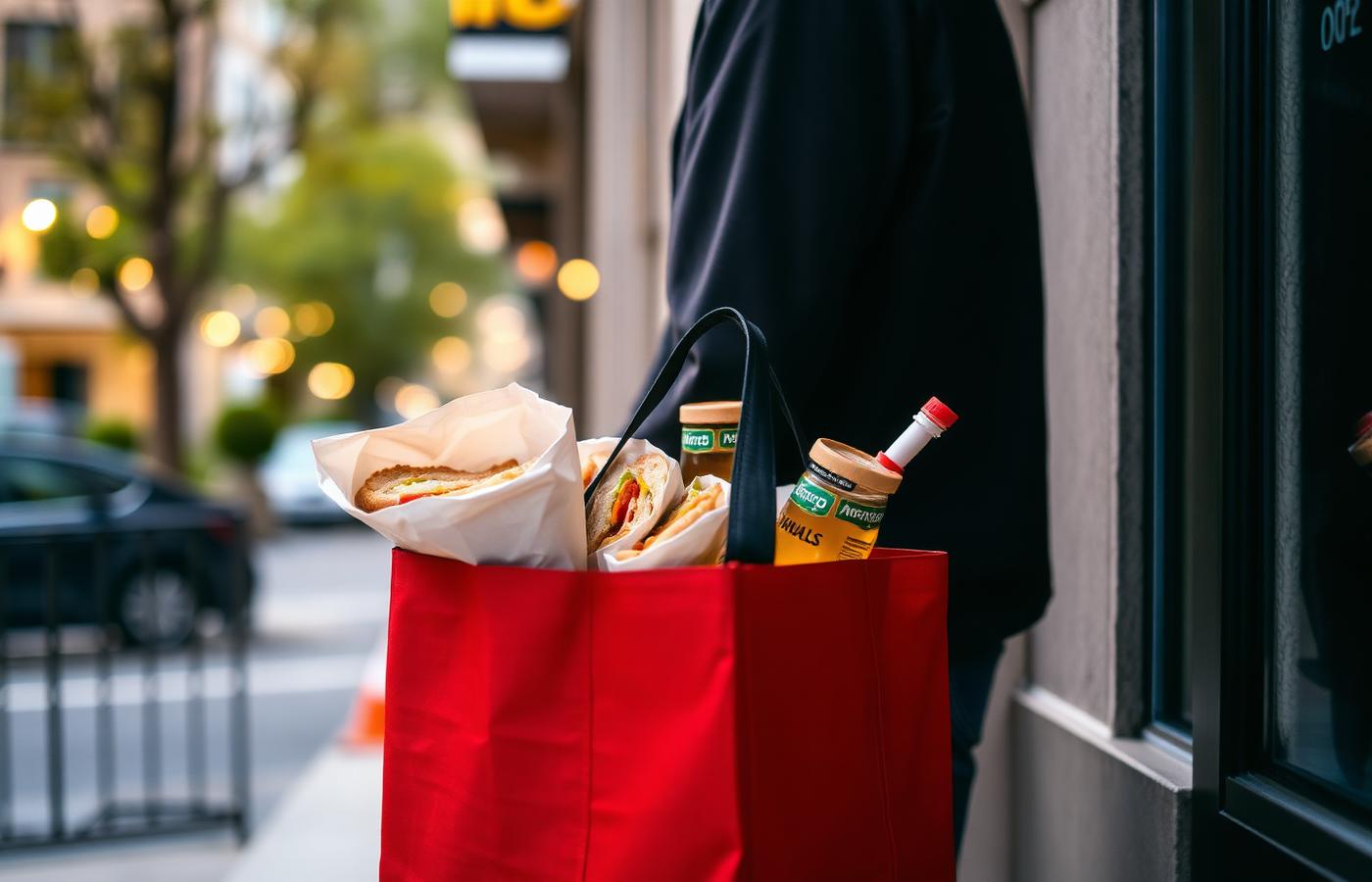
Subway delivers in most US markets, through its own app and through the big third-party platforms. The food travels better than most fast food — a cold sub is fine after twenty minutes — but the pricing is where people get caught out, because the sandwich you pay $9.49 for in store can total $19 by the time it reaches your door.
The four ways to get Subway delivered
| Channel | Typical extra cost | Points earned? | Best for |
|---|---|---|---|
| Subway app / subway.com | Delivery fee plus service fee; menu prices usually match in-store | Yes | Most orders, and anyone using MVP Rewards |
| DoorDash | Fees plus a menu markup of roughly 10–20% | No | DashPass holders and platform-specific promos |
| Uber Eats | Similar fees and markup | No | Uber One holders; good tracking |
| Grubhub | Similar; frequent free-delivery offers | No | Campus and office addresses |
The important number is not the delivery fee, it is the menu markup. Third-party platforms typically list Subway items above in-store prices to cover their commission, so a "free delivery" promo on a marked-up menu can still cost more than the Subway app charging a $2.99 fee. Compare the subtotal, not the fee line.
A realistic fee example
A Footlong Turkey plus a churro that costs about $14 in store commonly lands like this delivered: roughly $15.50–$17 subtotal on a third-party menu, $2–$5 in delivery and service fees, tax, and a tip. Twenty to twenty-four dollars is a normal total. Through the Subway app the subtotal usually stays near $14, so the same meal lands nearer $19 — and you still earn points on it. Over a month of weekly orders, that difference is real money. Our price guide has the in-store baselines to compare against.
How to order so it arrives well
- Sauce on the side, always. A sauced sub in a sealed bag for twenty minutes is a soft sub. See our sauce guide.
- Skip toasting on anything travelling more than fifteen minutes, or accept that it will be steamed rather than crisp. Toasted bread plus trapped moisture is the enemy.
- Ask for wet vegetables separately. Lettuce and tomato in a cup, assembled at home, is a noticeably better sandwich.
- Avoid the pretzel and anything meant to be warm. Cold subs, salads, bowls, cookies and Dippers travel best; see our Sidekicks guide.
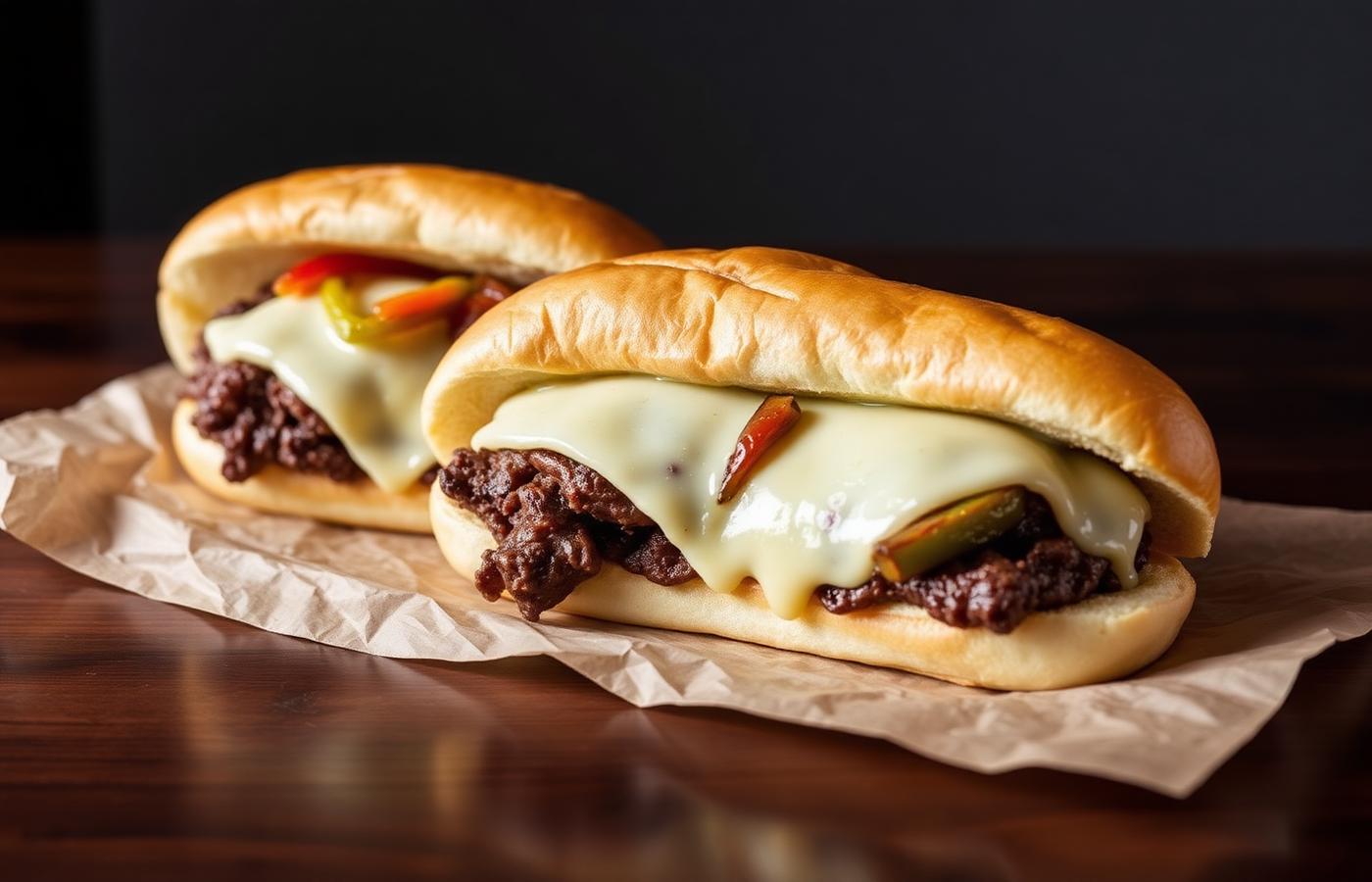
- Meatball and steak subs are the highest risk. If you want one, order light sauce — our meatball guide explains why.
Timing and coverage
Delivery windows generally run 25–45 minutes, longer during the noon and 6pm peaks. Coverage depends on your address being inside a store's delivery radius, which is usually a few miles; rural addresses often show no delivery option even when a store is nearby. Delivery hours can also end before the restaurant closes, so a store that shuts at 10pm may stop delivering at 9pm — check both, as covered in our hours guide.
When to just collect it
If you are within about ten minutes of the store, pickup wins on every measure: no markup, no fees, no tip, better food, and you can check the order before leaving. Scheduled pickup in the app removes the queueing that made delivery appealing in the first place — the walkthrough is in our online ordering guide. Delivery earns its cost when you cannot leave: an office lunch, a sick day, bad weather, or a large group order where one trip replaces four.
If your order is wrong
Report it in whichever app you ordered from, with a photo, the same day. Third-party platforms credit or refund through their own support; Subway app orders go through Subway's order history. The store itself generally cannot resolve a delivery order it did not take payment for.
Fees, markups, coverage and hours are set by individual franchisees and platforms and change often. The figures here are typical 2026 US observations, not quotes — check your own basket total before paying.