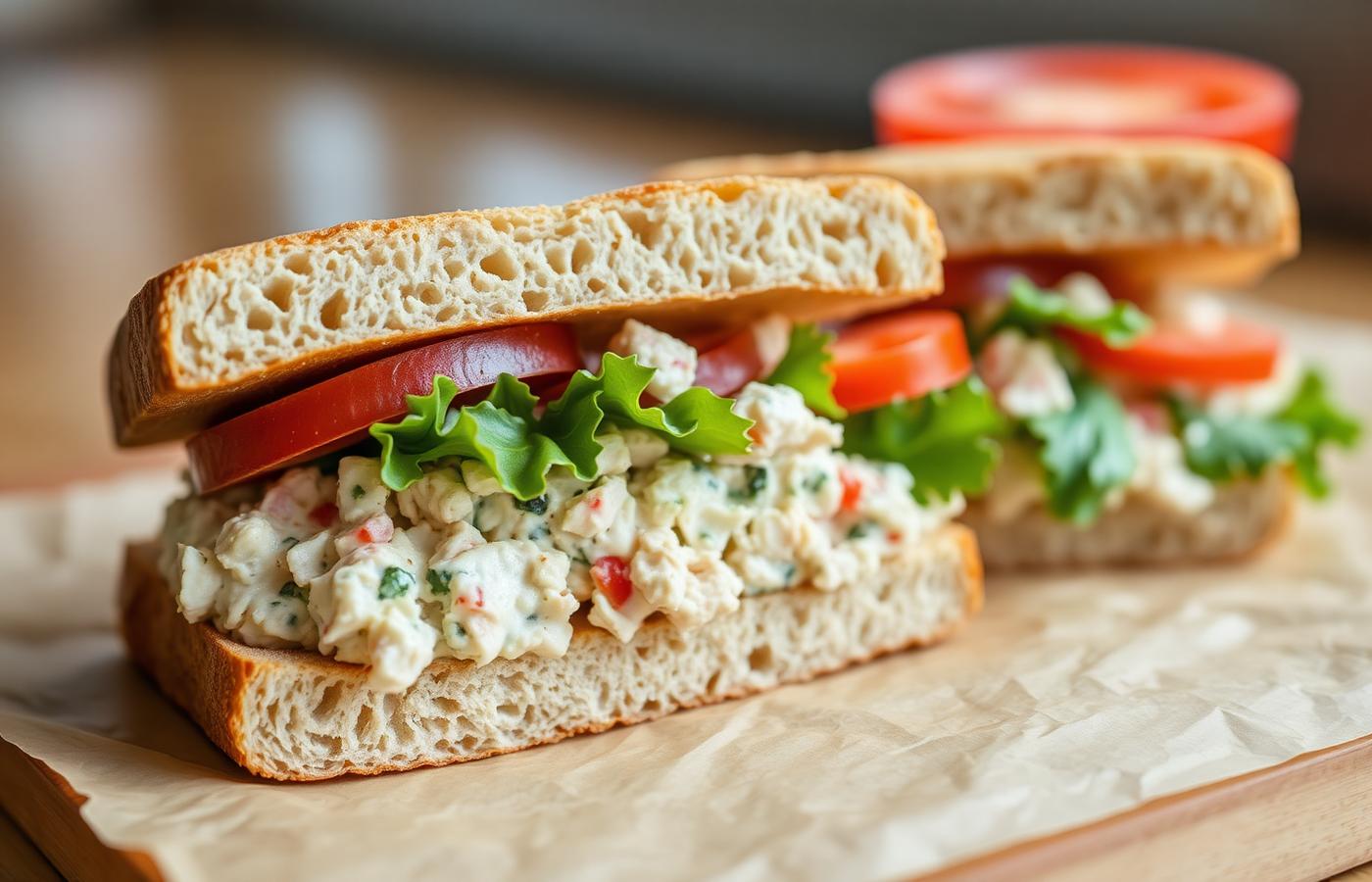
The tuna sub is one of the three or four sandwiches that has been on the Subway board continuously for decades, and it is still one of the most ordered items in the chain. It is also the most misunderstood: people either love it or repeat something they read online about it. So here is the plain version — what it is made of, what it costs, what it does to your calorie count, and how to order it so it is genuinely good.
What's actually in Subway tuna
Subway's tuna mix is flaked skipjack or yellowfin tuna blended with mayonnaise, prepared in store from pouches and held chilled. There is no filler ingredient list to decode: it is tuna and mayo, which is exactly why the calorie count sits higher than turkey or ham despite tuna being a lean fish. Subway has stated publicly that its tuna is wild-caught and sustainably sourced, and the ingredient statement in the app lists tuna, mayonnaise (soybean oil, eggs, water, vinegar, salt), and seasoning.
Two practical consequences. First, the mayo is already in the mix — adding more mayonnaise at the counter is doubling down. Second, because it is a cold, wet filling, toasting behaves differently: the bread crisps but the tuna warms unevenly. Most regulars order it untoasted, or ask for the bread toasted with cheese and the tuna added afterwards.
Calories, protein and price
| Build | Calories | Protein | Typical price |
|---|---|---|---|
| 6-inch tuna on Italian, cheese, veg | ~470–500 cal | ~20 g protein | $6.79 – $9.49 |
| Footlong tuna on Italian | ~940–1,000 cal | ~40 g protein | $10.29 – $13.99 |
| Tuna No Bready Bowl | ~500–560 cal | ~24 g protein | $12.49 – $16.99 |
| Tuna chopped salad | ~430–480 cal | ~21 g protein | $9.49 – $12.99 |
Figures are approximate and vary with how heavy-handed your sandwich artist is with the scoop. For context, a 6-inch Oven Roasted Turkey lands near 260 calories, so the tuna is carrying roughly 200 extra calories of mayonnaise. That is not a reason to avoid it — it is a reason to skip additional creamy sauce and treat it as your fat source for the meal. Our nutrition guide has the full comparison table.
The build that makes it work
Tuna mayo is soft, mild and one-note. Everything you add should be doing one of two jobs: adding crunch or adding acid.
- Bread: 9-Grain Wheat or Hearty Multigrain. Their nuttiness gives the tuna something to push against; Italian Herb & Cheese fights it.
- Cheese: Provolone, or skip it. American melts into the mayo and disappears.
- Crunch: extra cucumber, green pepper, red onion and lettuce. Ask for double cucumber — it is the single biggest improvement and it is free.
- Acid: banana peppers or pickles, plus a light pass of red wine vinegar. This is the step most people skip and it transforms the sandwich.
- Finish: black pepper and a pinch of oregano. No extra mayo, no ranch.
Is the tuna sub healthy?
It is high in protein and omega-3s and has no processed deli meat, but it is also one of the higher-fat cold options because of the mayonnaise. If you want the tuna flavour with a lower calorie total, order it as a chopped salad or No Bready Bowl with double vegetables — you lose about 200 calories of bread and keep all the protein. If you are watching sodium, tuna is actually one of the better picks: it typically carries less than half the sodium of an Italian B.M.T.
Common questions
Is Subway tuna real tuna?
Yes. Subway lists wild-caught tuna as the first ingredient and has published sourcing statements to that effect. A widely reported 2021 lawsuit alleging otherwise was dismissed.
Can I get extra tuna?
Yes — double protein is a paid add-on, usually $2 to $4 depending on location and size. On a Footlong it pushes the sandwich past 1,200 calories, so it is worth doing on a 6-inch instead.
Is it available as the Sub of the Day?
In many markets tuna appears in the weekly rotation, historically toward the end of the week. Participation varies — see our Sub of the Day guide.
Prices and nutrition vary by franchise and region. Confirm current values in the Subway app or in store before ordering, especially if you have a fish or egg allergy — see our allergen guide.