Subway is the largest restaurant chain on earth by store count, and the menu has changed more in the last four years than it did in the previous twenty. The old wall of individually ordered subs is still there, but it now sits alongside twelve numbered Subway Series sandwiches, a bakery-style Sidekicks range, refreshed deli meats sliced in-store, and a value platform built around the Sub of the Day and Meal of the Day.
That is a lot to take in on a lunch break, especially when the menu board above the counter shows maybe a third of what you can actually order. This page is the map: what each menu family is for, what it costs, how to make it healthier, and where to read more in depth. Everything here reflects the US menu as of August 2026, and every price is given as a range because Subway franchisees set their own prices.
How ordering at Subway actually works
Almost everything on the Subway menu is a combination of four decisions, and knowing them is the difference between a great sub and a soggy one:
- Format. 6-inch, Footlong, wrap, No Bready Bowl or salad. Same fillings, different vehicle.
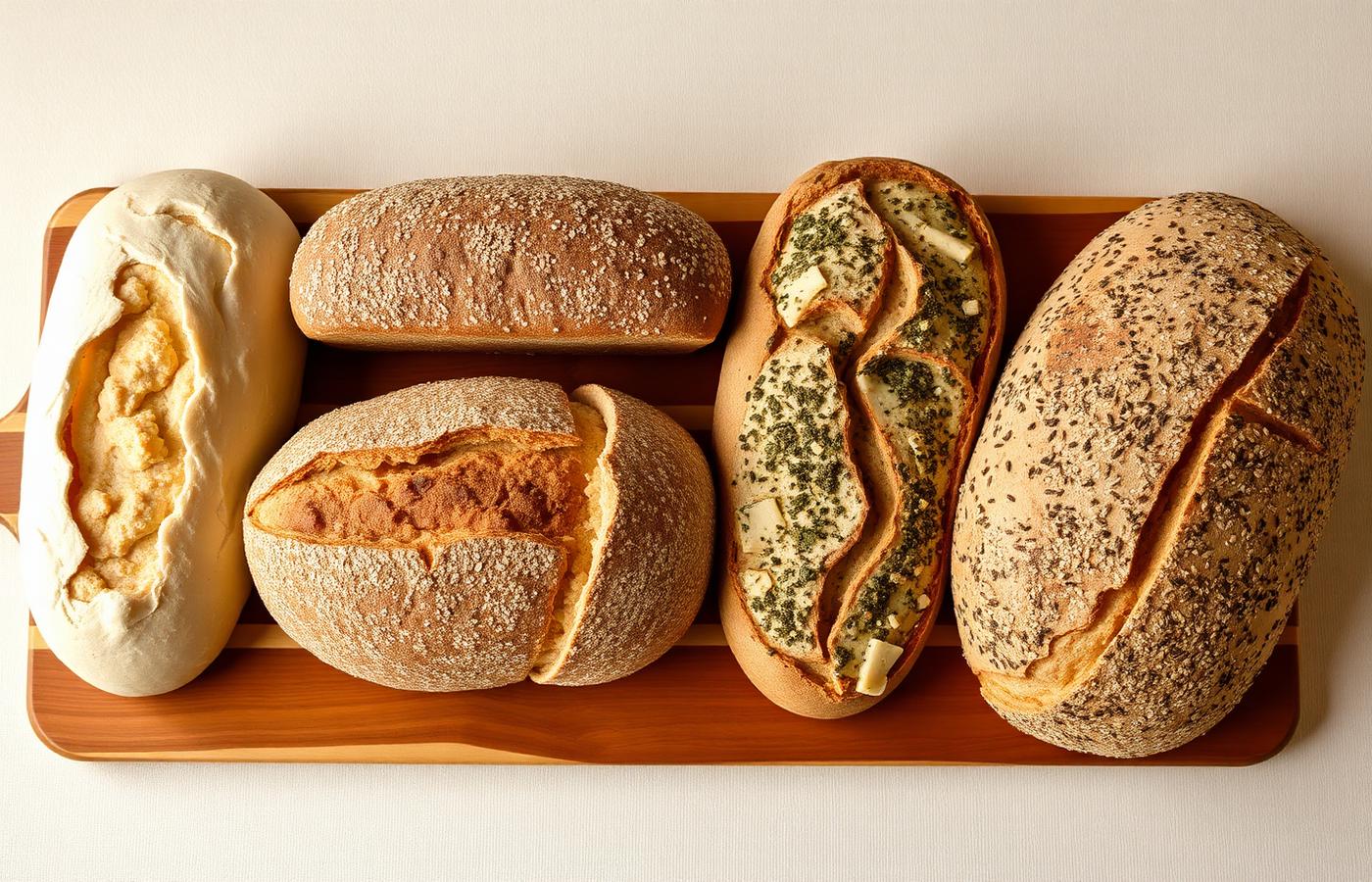
- Bread. Baked in-store through the day — Italian (white), 9-Grain Wheat, Italian Herb & Cheese, Hearty Multigrain, Flatbread and Artisan Italian at most locations.
- Cheese and toasting. American, Provolone, Monterey Cheddar, Pepper Jack and Shredded Mozzarella. Toasting is free and transforms Italian Herb & Cheese.
- Veggies and sauces. Vegetables cost nothing and add almost no calories; sauces are where 100–300 calories quietly appear.
If you want the full breakdown of every bread, cheese, vegetable and sauce, we keep a dedicated page for that: Subway bread types, cheeses and sauces.